
Ask ten contractors whether to use gypsum plaster or cement plaster and you'll get ten different answers — usually shaped by whatever they've been doing for the last decade. The truth is that the two materials aren't really competitors. They solve different problems, and once you understand where each one earns its keep, the choice becomes obvious.
What Each Material Actually Is
Cement plaster is a mix of Portland cement, sand, and water. It hardens through a chemical reaction called hydration, and it depends on that sand and water ratio for its final strength. It has been the default plaster on Indian sites for as long as concrete construction has existed.
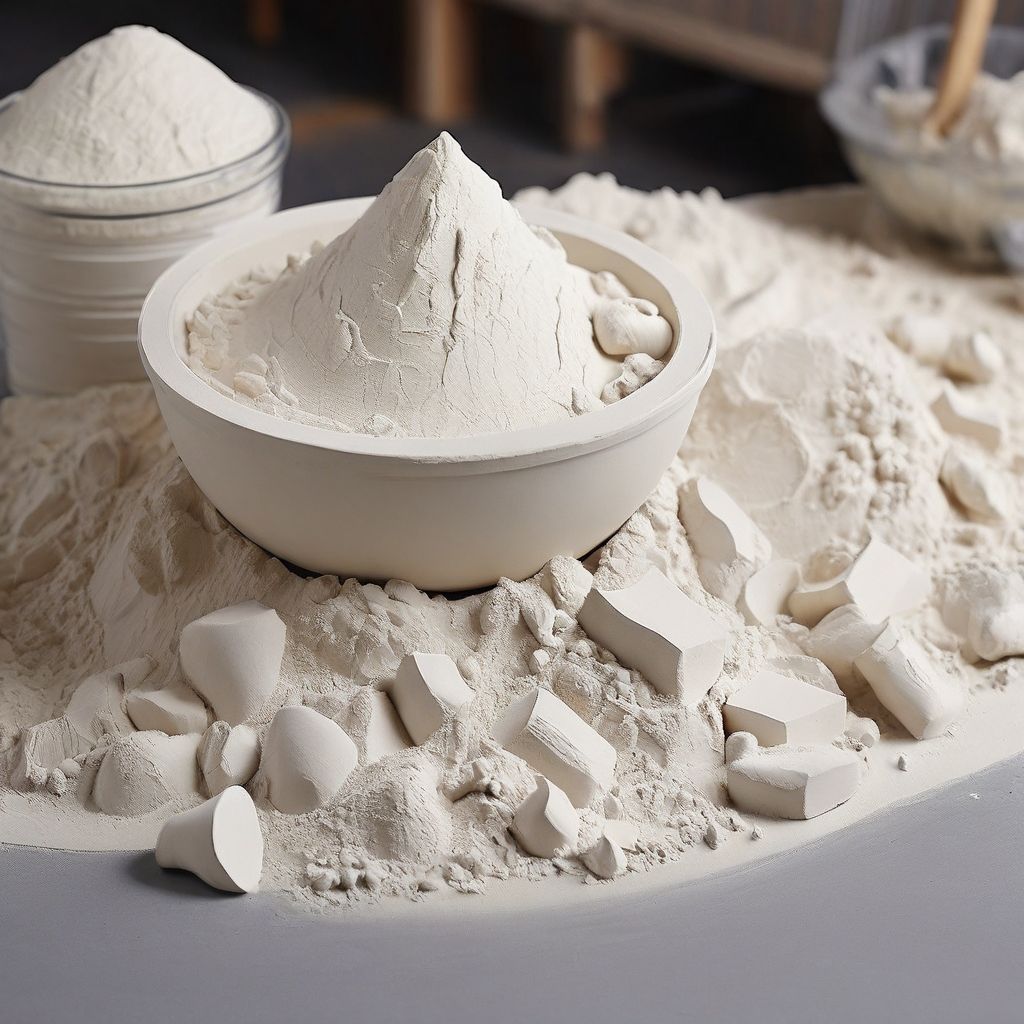
Gypsum plaster is calcined gypsum — the same raw material as Plaster of Paris — engineered with retarders and additives so it sets over a working window of 20 to 30 minutes instead of 5. It's applied directly to brick, block, or concrete surfaces without needing sand or a separate finishing coat.
Application & Curing
This is where the two materials part ways most dramatically.
Cement plaster is a two-coat system — a rough scratch coat followed by a finish coat — and each layer needs at least 7 days of water curing to reach its design strength. On a typical residential floor plate, that's two weeks minimum before you can start POP finishing or painting.
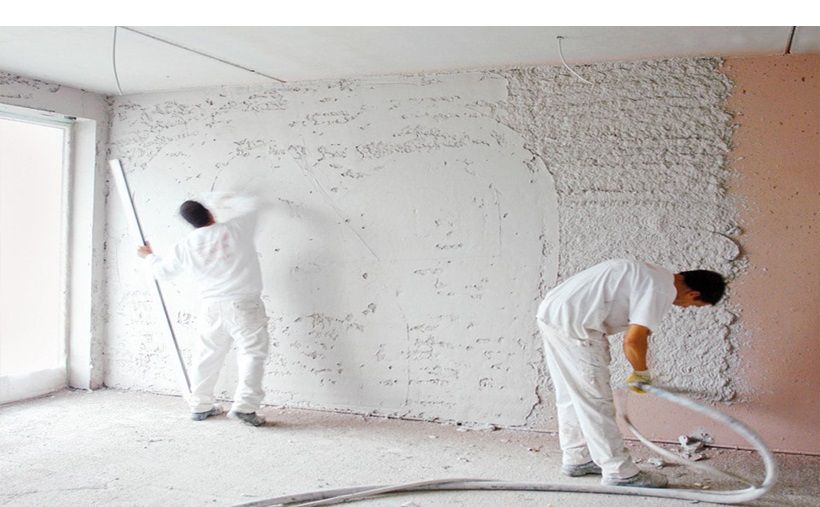
Gypsum plaster goes on in a single coat, sets in around 25 minutes, and is ready for paint within 72 hours. No curing water. No wait for the wall to dry. On a tight schedule, that time saving alone changes the maths of the entire project.
On a 10,000 sq ft interior project, switching from cement to gypsum plaster typically saves 10–15 days off the finishing schedule — and eliminates the curing water bill.
Finish Quality
Cement plaster cures to a hard, textured surface. To get it paint-ready, you need a POP or putty topcoat — otherwise the sand grit reads through the paint and the wall looks rough even after two finish coats.
Gypsum plaster is the finish coat. It cures glass-smooth and can take paint directly after light sanding. Colours look truer, sheen is consistent, and the wall reflects light evenly because there's no aggregate buried under the surface.
- Gypsum: single material, single application, paint-ready
- Cement: base coat + POP/putty topcoat + primer + paint
Cost Per Square Foot
On paper, cement plaster looks cheaper per bag. In practice, the total finished cost per square foot lands surprisingly close once you count everything:
- Cement plaster (12mm + POP finish): material + labour + curing water + POP topcoat
- Gypsum plaster (11mm single coat): material + labour, done
For most interior projects, the delivered cost sits within 5–10% of each other. Once you factor in the two-week schedule saving, gypsum is usually the cheaper real-world choice for interiors.
Wastage & Site Efficiency
Sand-cement mortar is mixed on site and any leftover goes bad in a few hours. Rebound during application can hit 15–20%, all of which lands on the floor and gets swept out.
Gypsum plaster is dry-mixed in small batches on demand, and its adhesion is strong enough that rebound is typically under 5%. Less scaffolding cleanup, less material bought, less debris hauled off site at the end.
Where Each One Belongs
The choice really comes down to where the wall lives.
Use cement plaster for:
- All external walls exposed to rain
- Bathrooms and wet areas below tile height
- Basements, parking decks, and any surface with continuous moisture contact
- Boundary walls, parapets, chajjas
Use gypsum plaster for:
- All internal walls above bathroom tile line
- Ceilings inside the building envelope
- Living rooms, bedrooms, offices — anywhere finish quality matters
- Fast-track projects where the finishing schedule is on the critical path
The Practical Verdict
Cement plaster still wins outdoors and in wet areas — nothing else survives Indian monsoons on an external wall. But for interior surfaces, gypsum plaster is faster, cleaner, wastes less, and delivers a better finish out of the box. Most modern projects use both: cement outside and in wet zones, gypsum everywhere else. That combination is what a well-run site looks like today.
Our Shankra Gypsum Plaster is engineered from Bikaner-mined gypsum with a controlled setting window and low wastage on site. Get in touch for samples, specifications, or a project quote.