For all the new materials that have entered the construction market in the last two decades, Plaster of Paris is still the default for interior finishing. There are good technical reasons it has stuck around. Here are the five that matter most.
1. Excellent Workability
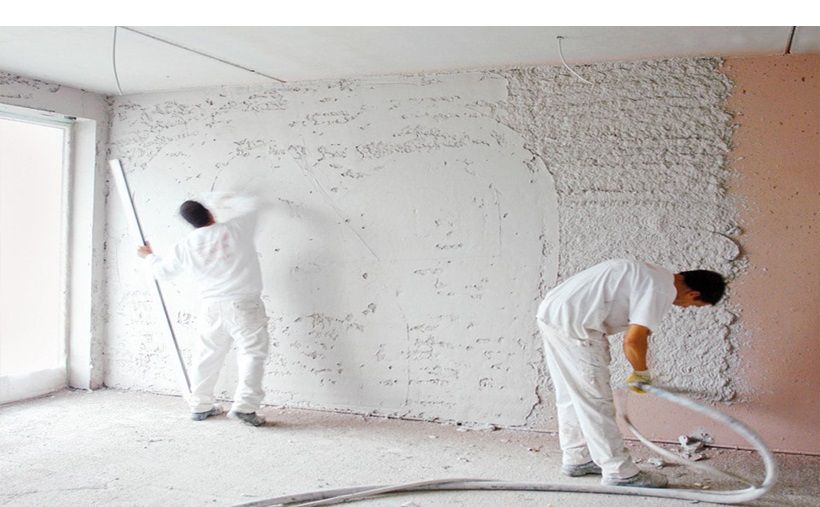
POP mixes smoothly, spreads cleanly, and feathers to almost nothing at the edges. A skilled plasterer can lay it on, level it, and have it ready for finishing without specialised equipment. That ease of application keeps labour costs predictable and quality consistent.
2. High Whiteness and Smooth Finish
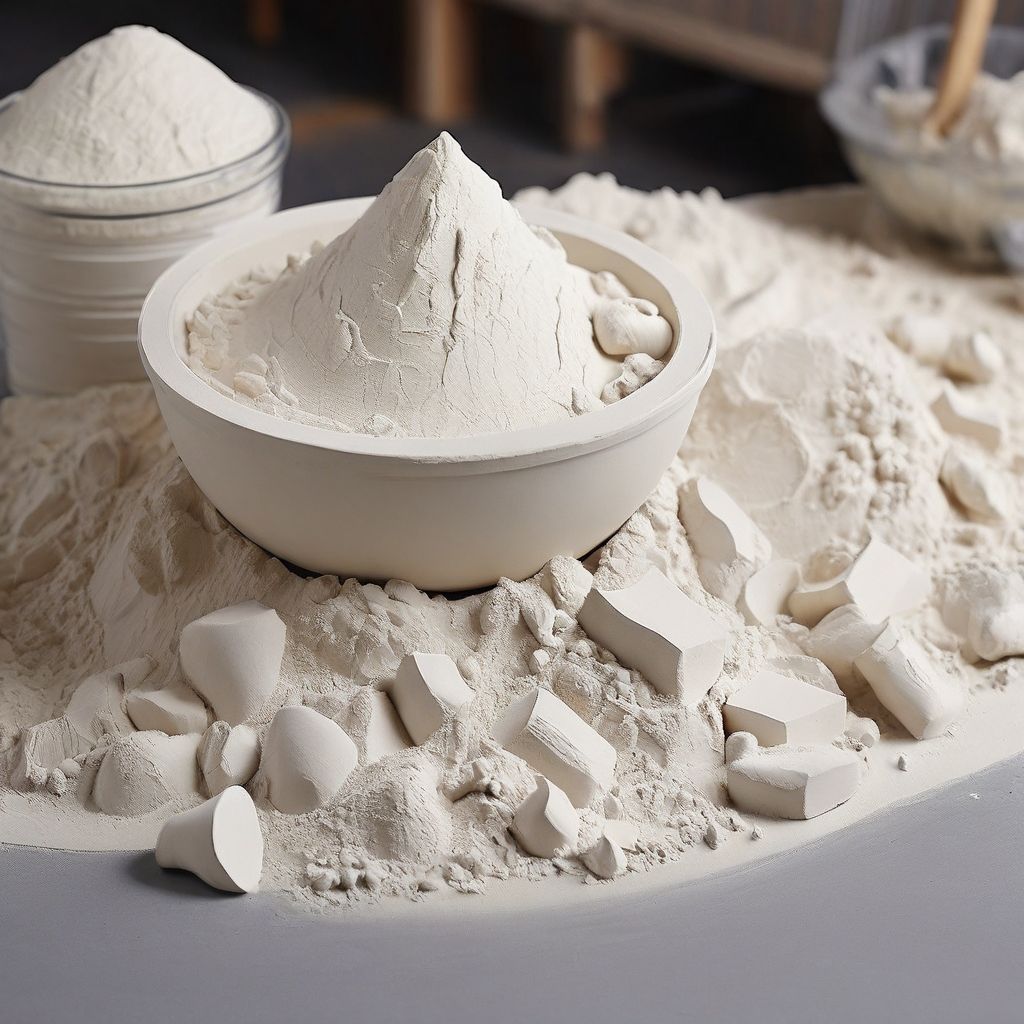
Pure POP cures to a brilliant white surface that's almost glass-smooth after a light sand. This matters because:
- Less primer is needed before paint
- Paint colours read true without a yellow or grey cast
- The surface looks clean even unpainted in service areas
3. Natural Fire Resistance
Plaster of Paris contains chemically bound water — about 21% by weight. When exposed to fire, that water has to evaporate before the plaster reaches a dangerous temperature. This endothermic reaction slows fire spread significantly, which is why gypsum-based materials are standard for fire-rated assemblies.
Every kilogram of POP releases about 200 grams of water vapour when heated to breakdown — that's the built-in fire delay you don't have to specify separately.
4. Captures Fine Detail
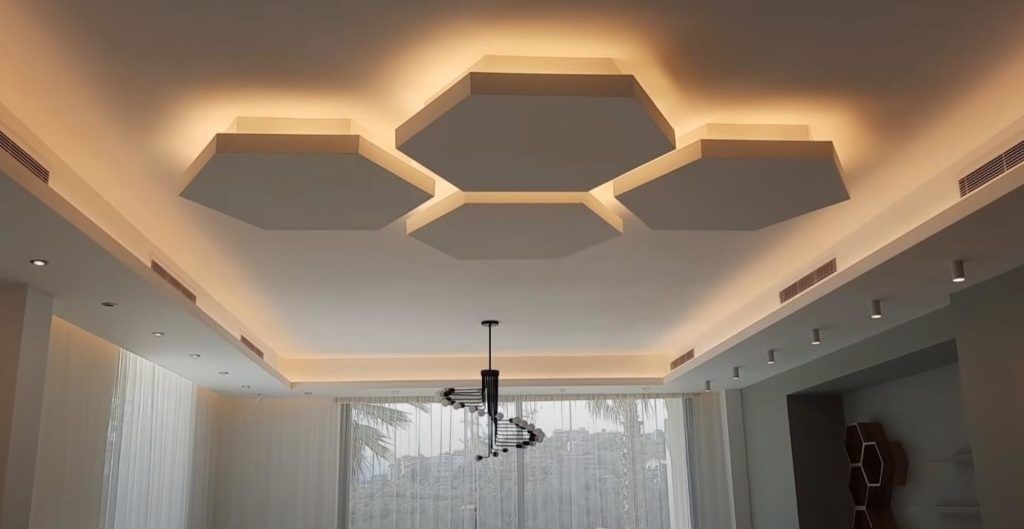
POP's fine particle size and predictable setting time make it perfect for casting and detail work. Mouldings, cornices, medallions, sculpted figures — you can press the wet plaster into a mould and pull out a clean, sharp reproduction. No other interior material gives you that range from flat surface to detailed sculpture using one technique.
5. Low Material Cost
POP is one of the cheapest interior finishing materials per kilogram. Combined with high coverage, low wastage, and fast application, the cost per square foot of finished surface is hard to beat. That's true even at the premium-grade end of the market.
Why It Still Wins
New materials win on specific dimensions — flexible vinyl is more impact resistant, polymer wallboards install faster — but no single material matches POP's combination of workability, finish, fire safety, detail capture, and cost. Until something does, POP and its modern cousin gypsum plaster will remain the default choice for interior finishing.
For projects where finish quality and consistency matter, our Shankra Gypsum Plaster delivers the workability and whiteness contractors actually need on site. Get in touch for samples, specs, or a project quote.