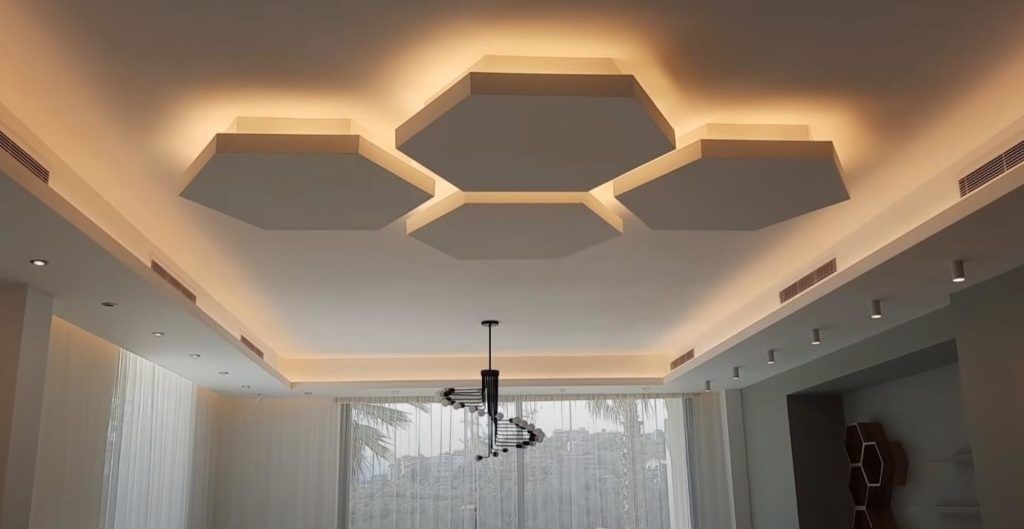

Plaster of Paris false ceilings are a great choice for Indian homes because they are lightweight, clean-lined, and easy to style. But even the best POP installation needs regular care to stay bright, crack-free, and dust-free in the long run.
Why proper POP ceiling maintenance matters
A well-maintained POP false ceiling protects your interior finish, prevents visible damage, and makes your room feel fresher. The faster you address common issues like hairline cracks, damp stains, or kitchen smoke buildup, the lower your repair costs and the longer your ceiling will look new.
- Preserves finish quality and keeps mouldings crisp
- Reduces the risk of yellowing from cooking fumes and humidity
- Prevents small cracks from growing into bigger repairs
- Preserves the visual impact of lighting designs and cove work
Common POP ceiling issues in Indian homes
Indian homes face a unique combination of humidity, cooking smoke, and seasonal temperature changes. POP ceilings can still last beautifully, but it helps to know what to watch for.
Hairline cracks
Small cracks often appear along joints or near ceiling fixtures. They are usually caused by normal building movement, slight shrinkage during curing, or uneven plaster thickness.
Yellow or damp patches
In kitchens and bathrooms, grease, steam, and poor ventilation can cause yellowing. On exterior-facing ceilings, moisture from roof leaks or gutter issues can leave damp patches.
Dust, cobwebs, and smoke residue
Dust traps in grooves and false ceiling details. In kitchens, smoke from cooking or incense can settle on the surface, making white POP look dull over time.
A simple POP ceiling maintenance checklist
Use this checklist to keep your ceiling looking its best throughout the year. It is designed for Indian homes and works for both new installations and ceilings that are already a few years old.
- Monthly: Dust and wipe with a dry microfiber cloth.
- Every 3-4 months: Clean light fixtures and corners with a soft brush.
- Every 6-12 months: Do a deeper clean and inspect for stains or cracks.
- After heavy rain or heat: check for damp spots or fresh cracks.
- Before repainting: fill cracks, sand edges, and prime with a moisture-resistant sealer.
🔍 Hairline crack
Drying shrinkage or small movement
Fill with fine POP putty, sand lightly, repaint
💛 Yellow patch
Smoke, steam, or minor leak
Clean, ventilate, repair source, spot-prime
🌫️ Dust build-up
Poor ventilation, open shelving
Dust monthly, use soft brush in recessed areas
Step-by-step POP ceiling cleaning guide
Use the right tools and gentle techniques so you clean without damaging the surface.
- Switch off power. Turn off ceiling fans and light points before you start cleaning.
- Dry dust first. Use a long-handled microfiber duster or a vacuum with a soft brush attachment.
- Wipe lightly. For non-greasy dust, dampen a soft cloth with water and wring well. Wipe the surface gently.
- Tackle stains. Use a mild detergent solution on a clean sponge, then rinse with a water-dampened cloth.
- Dry fast. Keep the ceiling dry by improving ventilation after cleaning.
Repairing cracks and stains the right way
Small repairs are the easiest to manage if you act quickly. Here is a practical approach:
- Remove loose dust or flaking paint with a soft brush.
- Mix a small line of fine POP putty or joint compound.
- Apply with a narrow spatula and press gently into the crack.
- After it dries, sand smoothly and spot-prime before repainting.
For recurring cracks or large damage, call your installer. Persistent movement or roof leaks may need a more complete inspection.
Seasonal care tips for Indian homes
India’s weather changes quickly. Here are actions that help POP ceilings resist humidity, heat, and dust.
- Monsoon: Keep windows and exhaust fans running to stop damp spots from forming.
- Summer: Avoid direct heat from high-powered lights near the ceiling. Use cooler LED fixtures where possible.
- Winter: Check for condensation near bathrooms and kitchens, and keep air circulation steady.
If your ceiling has integrated false ceiling lighting, clean the fixture covers before they trap dust. This keeps the light output bright and prevents grime from transferring to the POP surface.
More help from Shankra
Want to choose the best POP finish for your next ceiling project? Read our best POP for false ceilings guide. If cost is your main concern, our POP ceiling cost guide explains the material and labour factors that matter.
FAQ
How often should I repaint a POP false ceiling?
A good quality repaint every 4-6 years is usually enough for interiors. If the ceiling is in a kitchen or bathroom, a fresher coat every 3-4 years can keep it bright.
Can moisture damage POP ceilings?
Yes. Avoid repeated exposure to humidity or leaks. Use ventilated exhaust systems and repair any roof or plumbing leaks immediately.
Does POP require special cleaning products?
No. Mild detergent and water work well. Avoid harsh solvents or abrasive scrubbers, which can dull the finish.
Conclusion
With the right maintenance, Plaster of Paris false ceilings stay clean, crisp, and attractive for years. Regular dusting, careful stain treatment, and prompt crack repair are the keys to a long-lasting POP finish.
If you want a ceiling that is easier to maintain from the start, choose Shankra POP and ask for a moisture-resistant finishing coat. Our team can help you plan a ceiling that looks premium and stays low-maintenance over time.